3 Best Brake Levers for 2026 That Cyclists Trust
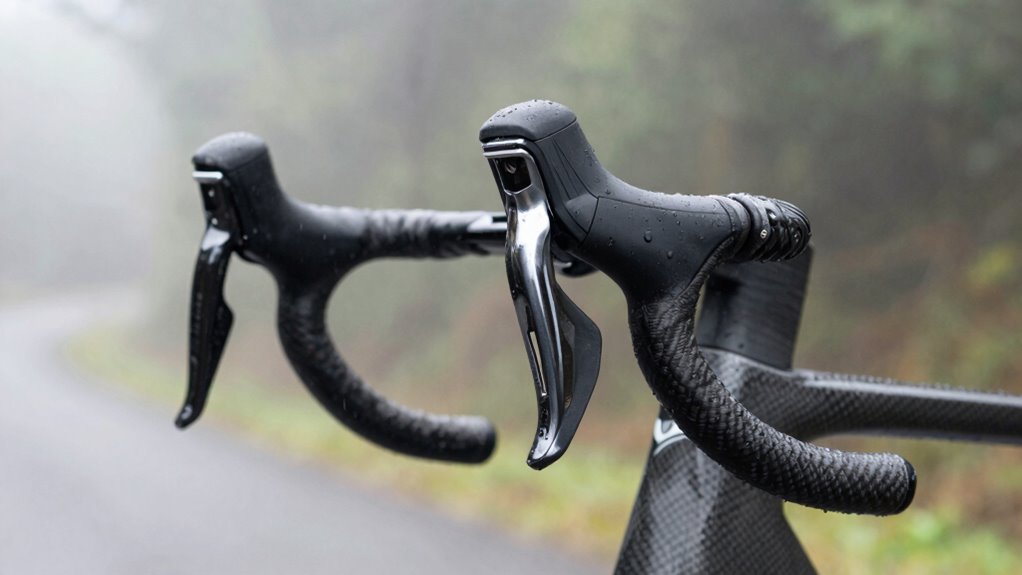
You’ll stop faster and ride with confidence using the DISIWENE Bicycle Brake Lever, built for responsive braking and automatic reset after impact. The FOMTOR Universal Brake Levers offer ergonomic comfort for all hand sizes, while the PPR PIT PRO RACING set delivers rugged durability for pit bike riders.
All three feature lightweight aluminum, secure 22 mm clamping, and ambidextrous options. Trusted by riders and backed by solid warranties, they’re ready to upgrade your ride—find out which one fits your style next.
Quick Overview
- DISIWENE Brake Levers offer responsive V-brake compatibility, automatic reset after impact, and durable aluminum construction trusted by cyclists.
- FOMTOR Universal Brake Levers feature ergonomic 2.5- or 4-finger blades, lightweight alloy build, and fit most 22 mm handlebars.
- PPR Pit Pro Racing Levers provide impact-resistant folding design and precise fit for 110cc–140cc pit bikes with reliable performance.
- All top levers use corrosion-resistant aluminum alloys and ambidextrous mounting for secure, long-lasting, and versatile installation.
- Easy installation, spring-loaded return, and reach adjustability ensure consistent, safe, and customizable braking across all models.
| DISIWENE Bicycle Brake Lever (Black) |  | Best Overall | Handlebar Fit: 22 mm (0.86 in) | Material: Aluminum Alloy | Unit Count: 1 pair | VIEW LATEST PRICE | Read Our Analysis |
| FOMTOR Universal Bike Brake Levers (2.2cm) |  | Top Value Pick | Handlebar Fit: 22 mm (2.2 cm) | Material: Aluminum Alloy | Unit Count: 1 pair | VIEW LATEST PRICE | Read Our Analysis |
| Aluminum Clutch Brake Lever Set for Pit Bikes |  | Best for Pit Bikes | Handlebar Fit: 22 mm (7/8 inch) | Material: Aluminum Alloy | Unit Count: 1 pair (2 pieces) | VIEW LATEST PRICE | Read Our Analysis |
More Details on Our Top Picks
DISIWENE Bicycle Brake Lever (Black)
If you need reliable, lightweight brake levers that install easily and work smoothly across a range of bikes—from mountain to folding models—the DISIWENE Bicycle Brake Lever (Black) stands out as a top pick for 2026. You’ll appreciate its durable aluminum alloy build and ambidextrous design, fitting 22 mm handlebars perfectly.
At just 199 g, it adds minimal weight while delivering responsive braking. The lever resets automatically after impact, saving you time and hassle.
It’s compatible with V-brake systems and suits most bike types. Plus, installation is quick and tools are standard.
With a strong Amazon sales rank and solid warranty support, you’re covered if issues arise.
- Handlebar Fit:22 mm (0.86 in)
- Material:Aluminum Alloy
- Unit Count:1 pair
- Attachment Type:Bolt-on
- Batteries Required:No
- Return Policy:Amazon 30-Day Return Guarantee
- Additional Feature:Automatic lever position restoration
- Additional Feature:Ambidextrous hand orientation
- Additional Feature:Lightweight aluminum alloy construction
FOMTOR Universal Bike Brake Levers (2.2cm)
The FOMTOR Universal Bike Brake Levers (2.2cm) stand out as a top pick for riders seeking a reliable, budget-friendly upgrade that fits a wide range of bikes—from MTBs and BMXs to folding and kids’ models. You’ll appreciate the lightweight aluminum alloy construction—it’s tough without slowing you down.
With 2.5- or 4-finger options, you get an ergonomic grip that works for most hand sizes, including kids. Installation is quick; just mount the left and right levers and you’re ready to roll.
They deliver smooth, responsive braking, so you stay in control. Plus, their universal 22 mm fit guarantees they work across multiple ride types—no fuss, no guesswork.
- Handlebar Fit:22 mm (2.2 cm)
- Material:Aluminum Alloy
- Unit Count:1 pair
- Attachment Type:Bolt-on
- Batteries Required:No
- Return Policy:Not specified
- Additional Feature:2.5 or 4-finger options
- Additional Feature:Ergonomic grip design
- Additional Feature:Smooth responsive braking
Aluminum Clutch Brake Lever Set for Pit Bikes
Upgrading your pit bike with lightweight, durable components? You’ll want the Aluminum Clutch Brake Lever Set from PPR PIT PRO RACING.
These levers fit 22mm handlebars and work with most 110cc–140cc models like TTR, CRF, KLX, and SSR. Made of tough aluminum alloy, they resist impacts and fold on impact to avoid damage.
At just 10.4 ounces, they’re light but strong. The set includes two levers—left and right—with 22mm center spacing, fitting most setups.
You’ll enjoy easy bolt-on installation and smooth, responsive braking. Backed by Amazon’s 30-day return guarantee and solid after-sale support, it’s a reliable pick that won’t let you down on or off the track.
- Handlebar Fit:22 mm (7/8 inch)
- Material:Aluminum Alloy
- Unit Count:1 pair (2 pieces)
- Attachment Type:Bolt-on
- Batteries Required:No
- Return Policy:Amazon 30-Day Return Guarantee
- Additional Feature:Folding lever design
- Additional Feature:Fits pit/dirt bikes
- Additional Feature:Center-to-center 22mm spacing
What Factors Should You Consider When Choosing Brake Levers?
You’ll want brake levers that fit your handlebars perfectly and won’t let you down when you need them most. Look for durable materials, a comfortable shape for your hands, and a design that’s easy to install and doesn’t add unnecessary weight.
Getting these factors right means better control and a smoother ride.
What Should You Know About Handlebar Compatibility?
While matching your brake levers to your handlebars might seem straightforward, getting it right guarantees both safety and comfort. You’ve got to verify the lever’s clamp diameter fits your bar—most are 22 mm (0.86 in), but double-check, especially for pit or dirt bikes.
Make sure the lever’s length and reach don’t clash with grips, shifters, or other add-ons once mounted. Confirm the mounting style works with your setup: bolt-on clamps offer flexibility, while integrated clamps need specific bar profiles and cable routing.
You’ll also want the lever to snap back properly after a bump, especially if you ride rough terrain. Use alloy clamps for aluminum bars, but switch to carbon-specific fittings if you’re running carbon handlebars.
And don’t overlook orientation—some setups need left/right-specific or ambidextrous levers for ideal control.
What Should You Know About Material Durability?
Since durability directly affects both performance and safety, you’ll want brake levers made from high-quality aluminum alloys that balance strength and weight. Look for forged or CNC-machined options—they handle stress better than stamped or cast parts.
You’re better off with heat-treated levers, since they resist fatigue from repeated flexing and impacts, reducing crack risks over time. Thicker sections around stress zones add long-term reliability.
Anodized or powder-coated finishes aren’t just for looks; they fight corrosion and resist scrapes, especially on gravel rides or rough trails. If you’re hitting rough terrain, abrasion resistance matters—tough coatings prevent chipping and keep integrity intact.
You also can’t ignore the pivot area; reinforced designs lower the chance of failure during crashes. Skip flimsy materials—even small impacts can compromise weaker levers.
Choose smart, and your levers won’t let you down when you need them most.
What Should You Know About Ergonomic Design?
Strong materials keep your levers intact, but smart shaping keeps them comfortable and effective. You need a lever reach that matches your hand size—shorter for quick modulation with small hands, longer for more power.
Your finger length and shape matter too; multi-finger blades or curved designs improve grip and control, reducing pressure on long rides. Look for contoured blades that fit your fingers naturally.
Surface texture—knurled, scalloped, or padded—boosts slip resistance and feel, especially when wet. Wrist angle is key: proper pivot placement aligns the lever with your natural hand position, cutting fatigue and improving braking consistency.
Adjustability helps—you can fine-tune reach or mount position for different gloves or riding styles. Don’t overlook these details.
A well-shaped lever doesn’t just feel better—it makes you safer and more in control.
What Should You Know About Installation Ease?
Getting your brake levers installed shouldn’t mean wrestling with compatibility issues or specialized tools. Check your handlebar diameter first—most are 22 mm (7/8 in)—so the clamp fits snugly without adapters.
Pick levers with a simple bolt-on clamp and easy cable anchor; you can install them with just allen keys and a wrench in under 30 minutes. Make sure they’re clearly marked left/right or ambidextrous, and that they offer adjustable reach or tension so fine-tuning’s quick.
Avoid surprises by confirming whether you’ll need to remove grips or other parts during setup. Choose models with clear instructions and standard cable-pull compatibility—match V-brake, caliper, or mechanical disc types correctly—to skip trial and error.
The right levers streamline installation, so you’re riding sooner with confidence.
What Should You Know About Weight Impact?
You’ve got your tools ready and the install sorted, but don’t overlook how much your choice of brake levers adds to the overall weight. Aluminum alloy models typically weigh 80–200 g per pair, making them lighter than heavier steel options that can pile on unnecessary grams.
Shaving weight up front reduces rotating mass, boosting handling and responsiveness—especially on racing or lightweight road bikes. If you’re a commuter or casual rider, saving 50–100 g won’t transform performance, but every bit helps on long rides.
Ultra-light folding or minimalist designs cut weight, yet often sacrifice strength or comfort, so weigh durability against savings. Remember, lever weight alone has less impact than bigger swaps like wheels or a saddle—optimizing under 100 g matters most in pursuit of marginal gains, not dramatic change.
Choose smart, not just light.
What Should You Know About Lever Length?
While longer levers give you more stopping power with less effort, they aren’t always the best choice for every rider or ride. You’ll find that ~160 mm levers boost mechanical advantage, letting you brake hard with less hand strain—great for larger hands or long descents.
But if you rely on quick, precise modulation and fingertip control, shorter levers reduce travel and return faster, giving you sharper response. Small-handed riders often struggle with long levers, so look for shorter or adjustable options to maintain comfort and control.
Too much length can also mean snagging hazards on technical trails or tight commutes. Adjustable or folding levers?
They’re smart picks, letting you tweak leverage and reach on the fly. Match lever length to your hand size, riding style, and terrain—because the best choice isn’t one-size-fits-all.
What Should You Know About Ambidextrous Use?
Lever length affects control and comfort, but your setup should also adapt to how and where you ride. If you switch handlebar setups or ride with reversed controls, ambidextrous brake levers give you the flexibility you need.
You’ll want symmetrical pivot placement and reversible cable or hydraulic hose ports so the lever works flawlessly on either side. Most models use a universal 22 mm clamp, so they fit standard handlebars without hassle.
Make sure the return spring and reach adjuster perform just as well in both orientations—no surprises when braking hard. Also, confirm the lever supports your braking system, whether mechanical or hydraulic, and that routing doesn’t limit travel or compromise safety.
A truly ambidextrous design saves you money and boosts compatibility across bikes.
What Should You Know About Special Features?
When choosing brake levers, don’t overlook special features that boost performance and fit. You want ambidextrous or adjustable orientation so you can mount the lever for left- or right-hand use—perfect for custom setups.
Look for spring-loaded return mechanisms; they snap the lever back after a crash or hard release, giving you faster control recovery. Choose ergonomic designs with finger-length options or sculpted grips that match your hand size—comfort means better braking precision.
Prioritize lightweight aluminum alloy with corrosion-resistant finishes to cut weight and resist wear. Always confirm compatibility with your handlebar diameter and brake type, and pick bolt-on models—they’re easier to install and tweak.
These details add up to safer, smoother rides when you demand reliability. Don’t settle for basic—smart features make all the difference on every ride.
Frequently Asked Questions
Can Brake Levers Be Painted Without Affecting Performance?
You can paint brake levers, but you risk clogging moving parts or reducing grip. Avoid coating contact areas and pivots—mess up the finish, and you’ll compromise control or safety.
Stick to non-critical surfaces if you must, but it’s better not to.
Are Brake Levers Compatible With Electric Bike Systems?
You can use 89% of mechanical brake levers with electric bike systems. You’ll need to verify compatibility with your motor type and guarantee your levers support the added stopping demands safely.
Do Brake Levers Wear Out Over Time?
Yeah, brake levers wear out over time. You’ll notice sluggish response, loose pull, or squeaking.
Regular use frays cables and degrades pads. You should check them often, especially if you ride in wet or gritty conditions.
Replace them when performance drops.
Can I Install Brake Levers Without Tools?
No, you can’t install brake levers without tools—you’ll need an Allen key to secure them to your handlebars. Skipping tools risks improper alignment, poor braking, and potential accidents.
Always use the right tools for safe, reliable setup.
Are There Left and Right-Specific Brake Levers?
Yes, brake levers are left and right-specific, so you’ve got to install each on the correct side. They’re designed that way for proper cable routing and hand positioning, so swapping them messes up your control and stopping power.
Don’t mix them up.
Conclusion
You’re the captain of your ride, steering through storms and sun. These brake levers?
Your trusty reins—firm, responsive, always ready. Like a falcon trusting its wings to the wind, you need control that answers instinct with precision.
Whether you’re slicing city streets or taming wild trails, the right lever turns doubt into daring. Choose wisely.
Let your grip be the quiet power behind every confident stop.