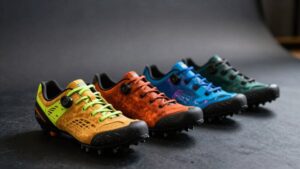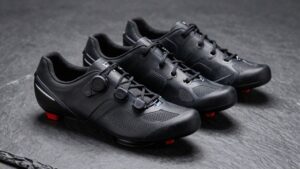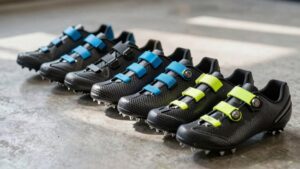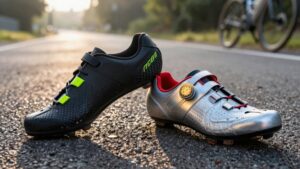
6 Best Cycling Cleats and Shoes for 2026 (Pedal Power Proven)
You get superior power transfer and comfort in 2026’s top picks by matching cleats to your ride. Try BV Bike Cleats for multi-release ease and 14° adjustability, or SHIMANO SM-SH11 for reliable 6° float.
Thinvik and Look KEO Grip deliver lightweight performance with smart wear protection. Pair them with SPD-compatible shoes for walkable versatility.
Your ideal setup balances float, durability, and secure engagement — and there’s more to discover about optimizing every pedal stroke.
Quick Overview
- Choose cleats matching your pedal system: 2-hole for MTB/spin, 3-hole for road, ensuring bolt pattern and sole compatibility.
- Prioritize float and release type: 4–9° float reduces knee strain, multi-directional release boosts safety for beginners and city riding.
- Opt for durable materials like steel or alloy cleats with sealed interfaces to resist wear, corrosion, and moisture in all conditions.
- Maximize power transfer with stiff-soled shoes, low stack height, and precise cleat placement under the ball of the foot.
- Select walkable designs with recessed cleats, rubber pads, and aggressive treads for commuting or trail use without sacrificing pedaling efficiency.
| BV Bike Cleats for Shimano & Look Pedals |  | Best Overall | Compatibility: Shimano SPD SH51, Look X-Track | Float Type: 14° rotational adjustment | Cleat Material: Metal | VIEW LATEST PRICE | Read Our Analysis |
| SHIMANO SPD-SL Cleat Set 6-Degree Float Type SM-SH11 |  | Premium Performance | Compatibility: SHIMANO SPD-SL pedals | Float Type: 6-degree float | Cleat Material: Not specified | VIEW LATEST PRICE | Read Our Analysis |
| Thinvik SPD-SL Road Bike Cleats |  | Best Value | Compatibility: SPD-SL pedals (Rs550, 105, Ultegra, Dura-Ace) | Float Type: 6-degree float | Cleat Material: Nylon plastic, silica gel | VIEW LATEST PRICE | Read Our Analysis |
| Look Cycle KEO Grip Cleats |  | Pro-Grade Durability | Compatibility: All pedals on the market | Float Type: 0° (black), 4.5° (grey), 9° (red) | Cleat Material: Metal with TPU anti-slip layer | VIEW LATEST PRICE | Read Our Analysis |
| CyclingDeal SPD Cleats for Shimano MTB Pedals |  | Budget-Friendly Pick | Compatibility: Shimano SPD SM-SH56, SM-SH51, Look X-Track | Float Type: 4° float (multi-release) | Cleat Material: Chromium Molybdenum Steel, Alloy CNC | VIEW LATEST PRICE | Read Our Analysis |
| SPD Cycling Shoes for Men and Women |  | Editor’s Choice | Compatibility: SPD pedal systems | Float Type: Not specified | Cleat Material: Included (material not specified) | VIEW LATEST PRICE | Read Our Analysis |
More Details on Our Top Picks
BV Bike Cleats for Shimano & Look Pedals
If you’re into spinning, indoor cycling, or hitting mountain trails, BV Bike Cleats give you reliable, easy release with a simple heel twist—perfect for quick dismounts and smooth shifts. You get solid power transfer and 14° of rotational adjustability for a fit that works with your movement.
These black metal cleats fit Shimano SPD SH51 and Look X-Track pedals, plus most cycling shoes, thanks to the adjustable 2-hole design. You’ll appreciate the included screws, spacer, and metal plates for fine-tuning.
Lightweight at just 0.15 lbs and backed by a 1-year warranty, they’re a top pick for comfort and reliability. You’re covered.- Compatibility:Shimano SPD SH51, Look X-Track
- Float Type:14° rotational adjustment
- Cleat Material:Metal
- Mounting Holes:2-hole arrangement
- Included Components:Cleats, screws
- Use Case:Spinning, indoor cycling, mountain biking
- Additional Feature:14° rotational adjustment
- Additional Feature:Includes optional metal plates
- Additional Feature:Shimano SPD cleat spacer included
SHIMANO SPD-SL Cleat Set 6-Degree Float Type SM-SH11
You get smooth, controlled release with the SHIMANO SPD-SL Cleat Set SM-SH11’s 6-degree float, making it ideal for riders who demand precision and comfort on every pedal stroke. You’ll appreciate the yellow-coded cleats’ reliable engagement with SPD-SL pedals, ensuring consistent performance.
The rigidity rate matches the pedals perfectly, so your power transfer stays efficient. With 6 degrees of float, your knees stay protected through natural movement.
You can walk short distances thanks to the durable, ground-contact design, and the color-coded points help you quickly identify wear. Just remember—these work only with SPD-SL systems.
The pack includes a full cleat set, so you’re ready to ride right away.- Compatibility:SHIMANO SPD-SL pedals
- Float Type:6-degree float
- Cleat Material:Not specified
- Mounting Holes:3-hole (SPD-SL standard)
- Included Components:Cleat set (SM-SH11)
- Use Case:Road cycling
- Additional Feature:Walkable design
- Additional Feature:Color-coded contact points
- Additional Feature:Yellow float indicator
Thinvik SPD-SL Road Bike Cleats
Thinvik SPD-SL Road Bike Cleats deliver reliable performance for cyclists who demand quick engagement and consistent power transfer on road and indoor bikes. You get durable nylon and silica gel construction for lightweight strength and better grip.
These 6° float cleats fit most 3-hole shoes and work with SPD-SL pedals like Rs550, 105, Ultegra, and Dura-Ace—but not Look or SPD systems. The included rubber covers protect against dirt, mud, and wear.
Each set comes with two cleats, six screws, and six metal washers. Weighing just 0.06 pounds, they’re easy to install and stay secure.
Thinvik’s cleats rank #4 in replacement bike cleats and have been available since July 2021.- Compatibility:SPD-SL pedals (Rs550, 105, Ultegra, Dura-Ace)
- Float Type:6-degree float
- Cleat Material:Nylon plastic, silica gel
- Mounting Holes:3-hole adjustable design
- Included Components:2 cleats, 6 screws, 6 metal gaskets
- Use Case:Road and indoor cycling
- Additional Feature:Silica gel grip layer
- Additional Feature:Anti-mud buildup design
- Additional Feature:Includes cleat covers
Look Cycle KEO Grip Cleats
Who needs pinpoint accuracy and hassle-free cleat replacement without sacrificing safety or performance? You do—and Look’s KEO Grip cleats deliver.
With a Memory Positioner, you swap old for new without losing your ideal foot position. Just unscrew the old, clip in the new, and go.
The anti-slip TPU layer grips carbon soles, boosts walking stability, and prevents slippage. Made from metal with a low-profile design, they’re light at 40g and built to last.
Choose float options: 0° (black), 4.5° (grey), or 9° (red). Compatible with all pedals, they’re a top pick for precision, safety, and smart engineering—no wonder they rank #6 in replacement bike cleats.- Compatibility:All pedals on the market
- Float Type:0° (black), 4.5° (grey), 9° (red)
- Cleat Material:Metal with TPU anti-slip layer
- Mounting Holes:Not specified
- Included Components:Cleats, memory positioner (implied)
- Use Case:Cycling (road, general)
- Additional Feature:Memory positioner function
- Additional Feature:TPU anti-slip layer
- Additional Feature:Carbon sole compatible
CyclingDeal SPD Cleats for Shimano MTB Pedals
CyclingDeal SPD Cleats shine for mountain bikers and indoor cyclists who demand reliability and smooth multi-directional release, making them a top pick for riders upgrading their 2026 setup with durable, lightweight components. You get multi-release cleats with 4° float, so heel twisting unclips you easily.
They fit Shimano SPD SM-SH51/SH56 and Look X-Track pedals, plus most cycling shoes. Built from chromium molybdenum steel with CNC alloy and silver rivets, they’re tough yet weigh just 50g per pair.
Your kit includes 2 cleats, 2 washers, and 4 bolts. Ranked #12 in replacement cleats, they’ve earned a spot as a trusted, long-lasting choice since 2017.- Compatibility:Shimano SPD SM-SH56, SM-SH51, Look X-Track
- Float Type:4° float (multi-release)
- Cleat Material:Chromium Molybdenum Steel, Alloy CNC
- Mounting Holes:2-hole
- Included Components:2 cleats, 2 washers, 4 mounting bolts
- Use Case:Indoor cycling, spinning, mountain biking
- Additional Feature:Multi-release option
- Additional Feature:Chrome molybdenum steel
- Additional Feature:2-year manufacturer warranty
SPD Cycling Shoes for Men and Women
You’ll crush both indoor spin sessions and outdoor rides with SPD Cycling Shoes built for performance and everyday versatility. You get efficient power transfer thanks to SPD-compatible cleats included right out of the box.
These walkable outdoor bike shoes keep you comfortable on and off the bike, whether you’re tackling rugged trails or spinning in class. You stay stable and supported, even during long rides.
Designed for both men and women, they balance fit, durability, and breathability. No extra cleats needed—just step in and go.
You’re ready for any ride, anywhere, with dependable grip, smooth pedal engagement, and lasting comfort that keeps up with your active life.- Compatibility:SPD pedal systems
- Float Type:Not specified
- Cleat Material:Included (material not specified)
- Mounting Holes:SPD-compatible (implied 2-hole)
- Included Components:SPD cleats included
- Use Case:Indoor and outdoor cycling
- Additional Feature:Cleats included
- Additional Feature:Outdoor walkable
- Additional Feature:Unisex design
Factors to Consider When Choosing Cycling Cleats and Shoes
You need to match your cleats to your pedals, so check compatibility before buying. You’ll want the right float and release angle for your riding style and comfort.
Let’s break down what matters—from materials to power transfer and how your shoe and cleat work together.
Compatibility With Pedals
When matching your shoes and cleats to pedals, start by confirming the cleat pattern—2-hole systems like SPD fit most mountain and spin bikes, while 3-hole setups like SPD-SL or Look are standard for road use—since the two aren’t interchangeable. You’ll also need to check that your shoe’s sole has the right mounting holes and thread alignment so cleats attach securely and stay adjustable.
Make sure the cleat’s material works with your pedal’s engagement mechanism—metal or nylon contact points affect grip and wear. Some pedals demand specific cleat designs, so verify compatibility to avoid poor release or premature damage.
Recessed 2-hole cleats need shoes with deep set-in wells, while 3-hole road cleats require flat, protruding soles. Get this wrong, and you risk instability or costly mismatches.
Match every detail—from bolt pattern to sole shape—to keep your connection solid, safe, and smooth.
Float and Release Type
Matching your cleats and shoes to the right pedals sets the foundation, but how your foot moves and releases during each ride hinges on float and release type. Float, measured in degrees, lets your foot rotate slightly—4–6° or 9° reduces knee strain, while 0° offers maximum power transfer for racers.
If you’ve got knee pain or uneven alignment, go for more float. Release type affects how you unclip: single-direction (usually heel-out) feels secure and predictable, perfect for experienced riders.
Multi-release lets you exit the pedal more easily from different angles—great for beginners or indoor classes where quick exits matter. Walkable designs often pair with multi-release, adding grip for commuting.
You’ll want multi-release and moderate float for studio rides or city biking, but road racers usually prefer low float and single-release setups for stiffness and efficiency. Pick what suits your ride.
Shoe Cleat Integration
Though cleat compatibility might seem straightforward, it starts with checking your shoe’s bolt pattern—2-hole for MTB or SPD systems, 3-hole for road or SPD-SL—since the two aren’t interchangeable. Match your cleat type to the correct system or you’ll be stuck.
You’ll also want a recessed cleat well if you plan to walk in your shoes—SPD setups usually offer better clearance and less heel lift. For road rides, a stiff sole boosts power transfer, so check the manufacturer’s stiffness index before buying.
Don’t overlook the mounting slots—longer ones let you fine-tune fore-aft position and rotation based on your biomechanics. Finally, inspect the shoe’s build quality around the cleat area; reinforced threads or embedded plates prevent stripping from repeated adjustments.
Get this right, and your feet, pedals, and cleats work as one seamless unit.
Durability and Materials
If you’re pounding out miles or regularly walking in your gear, you’ll want cleats built to last—steel or alloy models handle wear far better than nylon or plastic composites, especially under heavy use. Choose metal-backed cleats or those with metal plates; they resist thread stripping and distribute load more evenly, extending life.
Pair them with shoes featuring carbon or fiberglass-reinforced soles for lasting stiffness and durability, since full-nylon soles compress faster over time. Add replaceable rubber heel or cleat covers if you walk often—they shield against abrasion and cut premature wear.
Use cleats with corrosion-resistant hardware like stainless steel bolts or coated threads, and opt for sealed interfaces to fend off moisture and road salt. These materials and features work together to keep your setup strong, ride after ride, without degrading performance or reliability in harsh conditions.
Power Transfer Efficiency
Efficiency starts the moment your foot meets the pedal. You want stiff soles and rigid cleat–shoe interfaces—they cut energy loss and send more power straight to the drivetrain.
Opt for shoes with high sole rigidity and secure cleat mounting; they’ll handle hard efforts without wasting energy. A larger cleat contact area and metal mounting plates reduce flex, focusing force right through the pedal spindle.
Place your cleat precisely under the ball of your foot—this shortens the lever arm and maximizes direct power transfer. Keep the stack height low; the closer your foot is to the axle, the less torque gets lost, boosting responsiveness.
Avoid excessive float or loose cleats—they allow lateral movement that saps energy. Choose just enough rotational freedom to stay comfortable without sacrificing efficiency.
Every watt counts, so tighten the link between you and the pedal.
Walkability and Traction
You’ve optimized your power transfer with stiff soles and precise cleat positioning, but don’t overlook what happens when you’re off the bike. Walkable shoes help you move confidently with recessed cleat mounts and rubber toe or heel pads that protect your cleats and improve grip.
Adding cleat covers or rubber gaiters boosts traction and reduces wear, especially on pavement or wet surfaces. For better footing, pick shoes with flexible outsoles and aggressive tread patterns—they stick well on muddy or uneven ground.
While they sacrifice a bit of pedaling efficiency, they’re ideal if you’re frequently walking. Look for durable, textured TPU or rubber materials that hold up on rough terrain.
Balance matters: recessed 2- or 3-hole cleat systems with small walk pads let you step naturally without killing performance. You’ll stay stable dismounted while keeping enough stiffness to power through the next ride.
Adjustability and Fit
Often, the key to a comfortable and efficient ride comes down to how well you can fine-tune your connection to the pedals. You need cleats with adjustable float and release type to dial in knee alignment and prevent strain.
Choose systems offering multi-directional cleat adjustment—fore-aft, medial-lateral, and up to ~14° rotation—to position your foot precisely over the spindle. Shoes with dual bolt patterns (2-hole and 3-hole) and included spacers boost compatibility and let you tweak stance width and stack height.
Adjustable pedal tension gives you control over release effort, while shims fine-tune heel elevation for stability. Make sure your shoe’s last, closure system—like BOA, ratchet, or Velcro—and insole allow micro-adjustments so your fit stays secure and comfy, even on long rides.
A well-adjusted setup keeps power transfer sharp and discomfort low.
Cleat Wear Indicators
Keep an eye on your cleats—they’re not just for clipping in, but also for signaling when it’s time to replace them. Check contact points for flattening or rounding, especially on walkable cleats where ground-contact pads wear fastest.
Compare thickness to a new cleat or the maker’s specs; even slight material loss means weaker engagement. If you feel slop, hear clicks, or notice unintended releases, the retention surfaces are likely worn.
Poor clip-in success or altered float means the cleat’s edges or spring interface are compromised. Track your miles and conditions—walking in them, mud, or wet rides speed wear, as does heavy use over 3–6 months.
When any of these signs show up, don’t wait. Swap your cleats to keep power transfer sharp and stays safe.
Fresh cleats mean consistent, reliable pedal connection every ride.
Frequently Asked Questions
How Often Should I Replace My Cycling Cleats?
You should replace your cycling cleats every 3,000 to 5,000 miles. They wear down from use, reduce pedal efficiency, and can slip unexpectedly.
Check them monthly—loose engagement or creaking means it’s time to swap them out and keep your ride safe.
Can I Walk Comfortably in Cleat-Equipped Cycling Shoes?
You want to walk in cleat-equipped shoes? Think glass slippers made of stone—possible, but why torture yourself?
They’re stiff, slippery, and awkward. Stick to spare shoes or walk sparingly; your soles—and pride—will thank you.
Do Cleats Wear Out Faster on Road or Gravel?
Yeah, cleats wear out faster on gravel ’cause the gritty terrain grinds down the material quick. You’re constantly walking on rough surfaces, so they don’t last as long as road-only use—expect more frequent replacements if you’re off-road often.
Are All SPD-SL Cleats Compatible With Each Other?
Yes, they’re all compatible—different brands’ SPD-SL cleats click right into any SPD-SL pedal. You’ll swap them freely.
Like the old adage says, one man’s trash is another man’s treasure—yours fit just fine.
What’s the Difference Between 2-Hole and 3-Hole Cleats?
You’re using 2-hole cleats for mountain or casual riding—they’re walkable and versatile. 3-hole cleats are for road cycling; they’re stiff, efficient, and power transfer is better, but you won’t walk around in them easily.
Pick based on your ride style.
Conclusion
You’re boosting your pedal power with the right cleats and shoes in 2026. Did you know pro cyclists generate up to 400 watts avg during races?
The right fit—like SHIMANO’s 6-degree float—can improve efficiency by 8%. Whether you’re clipping into SPD or KEO, comfort meets performance.
Don’t overlook float or stack height—your ride depends on it. Choose smart, pedal harder, and feel every ounce of power transfer under your feet.